 艺廊
名画 › 题材
维纳斯雕塑
资料卡
- 类型
- 雕塑流派
- 上位类别
- 人形、fertility symbol
资料来自 Wikidata Q248726(CC0)。
题材介绍
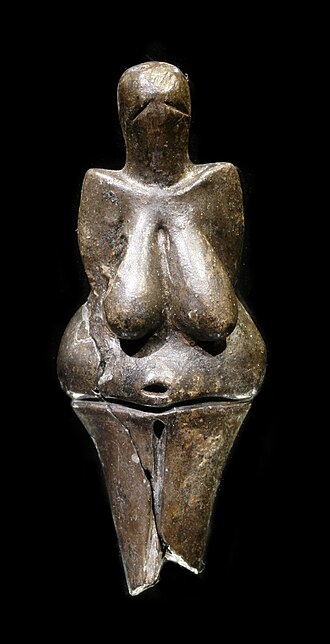
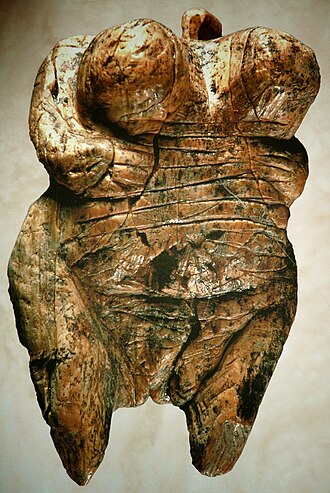
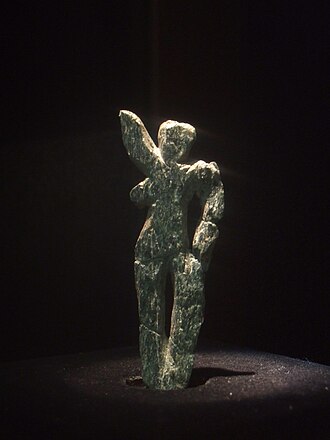
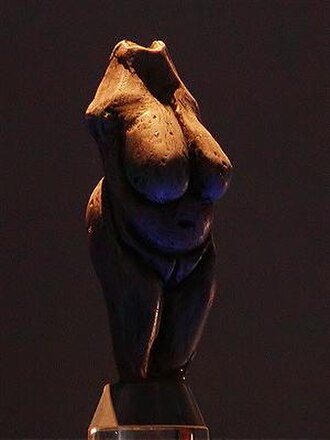
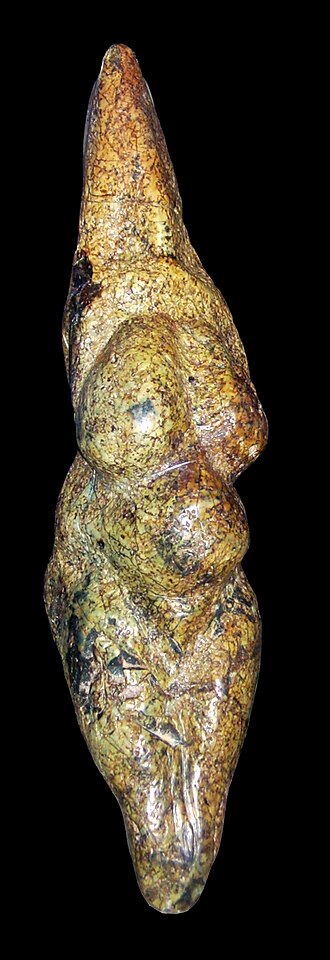
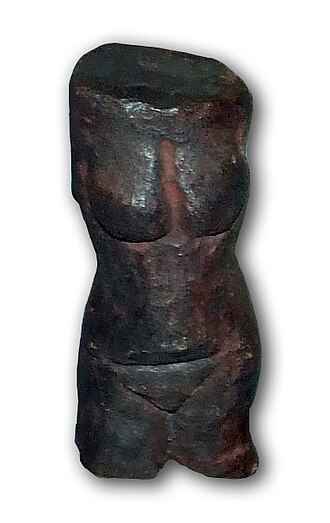
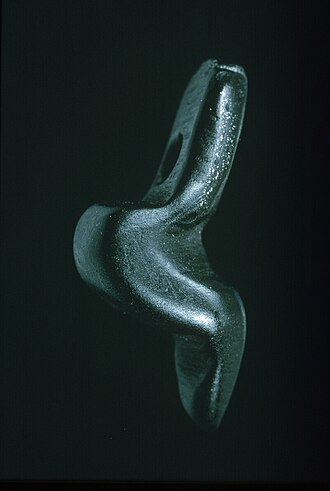
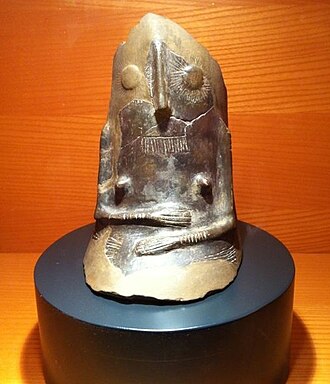
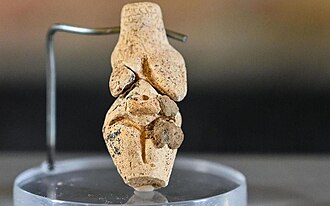
维纳斯小像(英语:Venus figurine)是旧石器时代晚期的小型女性雕像或塑像的统称。其年代多属于2.6至2.1万年前的格拉维特文化时期,但不局限于此,可谓人类史前艺术中最早的作品。小像高度多在30至40厘米区间内,大小适中。材质以软石(如滑石、方解石或石灰石)、骨头或象牙为主,也有部分由粘土烧制而成。维纳斯小像大部分出土于欧洲,而远至西伯利亚地区也有发现,已知的总数量已达二百以上。
维纳斯小像的原始文化意义和用途尚不明确,可能有仪式或象征功能,学术界对此有宗教人物、健康和生育表达、祖母女神、女性艺术家自我描述等多种假说。
摘自维基百科「维纳斯小像」,按 CC BY-SA 4.0 使用,繁体已转简体,去掉了参考文献、外部链接等尾部小节和表格,其余文字未作改动。
中文条目比较短,展开看英文维基百科的条目(英文原文)
A Venus figurine is any Upper Palaeolithic statue portraying a woman, usually carved in the round. Most have been unearthed in Europe, but others have been found as far away as Siberia and distributed across much of Eurasia.
Most date from the Gravettian period (26,000–21,000 years ago). However, findings are not limited to this period; for example, the Venus of Hohle Fels dates back at least 35,000 years to the Aurignacian period, the Venus of Monruz dates back about 11,000 years to the Magdalenian period, and the Çatalhöyük figurine dates back about 8000 years to the Neolithic. Such figurines were carved from soft stone (such as steatite, calcite, or limestone), bone, or ivory; or alternatively formed from clay and fired. The latter are among the oldest ceramics known to historians. In total, over 200 such figurines are known; virtually all of modest size, between about 3 and 40 cm (1.2 and 15.7 in) in height. These figurines are recognised as some of the earliest works of prehistoric art.
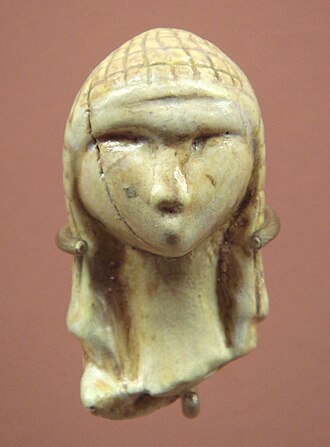
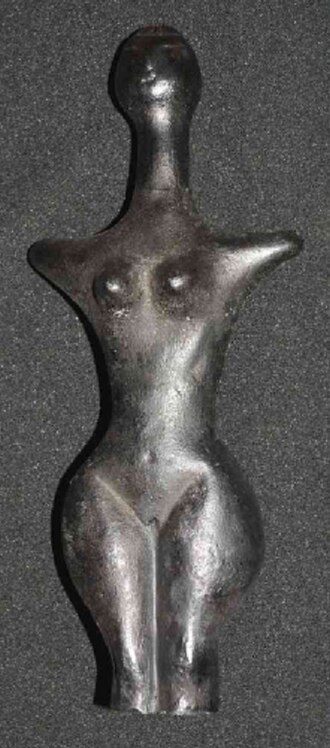
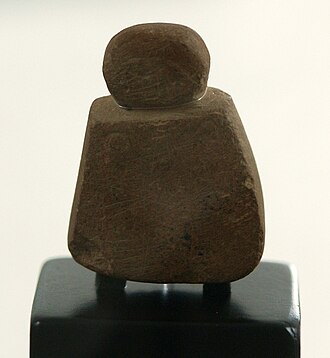
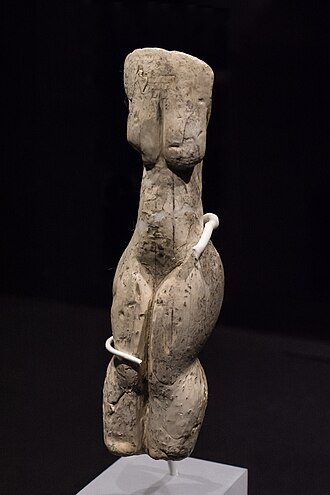
Most have wide hips and legs that taper to a point. Arms and feet are often absent, and the head is usually small and faceless. Various figurines exaggerate the abdomen, hips, breasts, thighs, or vulva, although many found examples do not reflect these typical characteristics. Depictions of hairstyles can be detailed, and clothing or tattoos may be indicated.
The original cultural meaning and purpose of these artefacts is not known. It has frequently been suggested that they may have served a ritual or symbolic function. There are widely varying and speculative interpretations of their use or meaning: they have been seen as religious figures, an expression of health and fertility, grandmother goddesses, or as self-depictions by female artists.
History of discovery
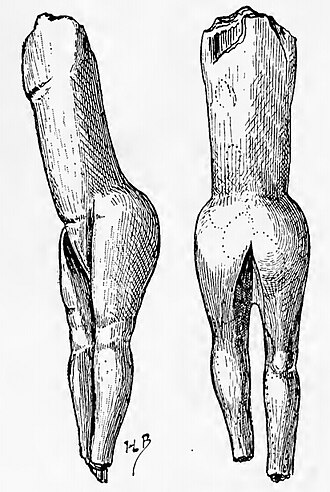
The Vénus impudique, which was the figurine that gave the whole category its name, was the first Palaeolithic sculptural representation of a woman to be discovered in modern times. It was found in 1864 by Paul Hurault, 8th Marquis de Vibraye at Laugerie-Basse in the Vézère valley. This valley is one of the many important Stone Age sites in and around the commune of Les Eyzies-de-Tayac-Sireuil in Dordogne, southwestern France. The figurines were mostly discovered in settlement contexts, both in open-air sites and caves. The Magdalenian Venus from Laugerie-Basse is headless, footless, armless, and displays a strongly emphasised vulva.
Four years later, Salomon Reinach published an article about a group of soapstone figurines from the caves of Balzi Rossi. The famous Venus of Willendorf was excavated in 1908 from a loess deposit in the Danube valley located in Austria. Since then, hundreds of similar figurines have been discovered from the Pyrenees Mountains to the plains of Siberia.
In September 2008, archaeologists from the University of Tübingen discovered a 6 cm (2.4 in) figurine carved from a mammoth's tusk. This figurine was later called the Venus of Hohle Fels and can be dated to at least 35,000 years ago. It represents the earliest known sculpture of this type and the earliest known work of figurative art.
Name
Upper Palaeolithic female figurines are collectively described as "Venus figurines" in reference to the Roman goddess of beauty Venus. The name was first used in the mid-nineteenth century by the Marquis de Vibraye, who discovered an ivory figurine and named it La Vénus impudique or Venus Impudica ("immodest Venus"). The Marquis then contrasted the ivory figurine to the Aphrodite of Knidos, a Greco-Roman sculpture depicting Venus covering her naked body with her hands. In the early 20th century, the general belief among scholars was that the figurines represent an ancient ideal of beauty. Since their discovery, considerable diversity in opinion amongst archaeologists and in palaeoanthropological literature has arisen as to the function and significance of the figures. Most scholars that have differing opinions on the purpose of the figurines, such as anthropologist Randall White, also disapprove of the "Venus" name as a result.
节选,摘自英文维基百科「Venus figurine」,按 CC BY-SA 4.0 使用。
相关的题材
作品(19)


只有资料的作品(3)
- 维伦多尔夫的维纳斯
- 坦坦维纳斯300000–500000 年
- Venus of Berekhat Ram