艺廊

资料卡
- 类型
- 美术馆、军事博物馆、国立博物馆
- 创立
- 1879 年
- 国家
- 波兰
- 所在地
- 克拉科夫
- 地址
- Aleja 3 Maja 1, 30-062 Kraków
- 年参观人数
- 679,729 1
- 坐标
- 北纬 50.0603°,东经 19.9239°
资料来自 Wikidata Q195311(CC0)。
博物馆介绍
克拉科夫国家博物馆(波兰语:Muzeum Narodowe w Krakowie)是位于波兰城市克拉科夫的一座博物馆。
历史
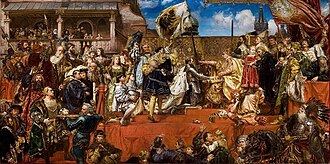
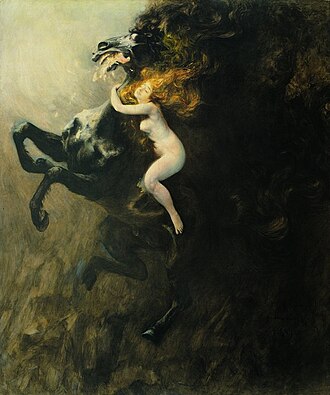
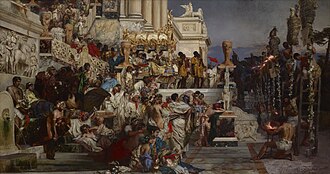
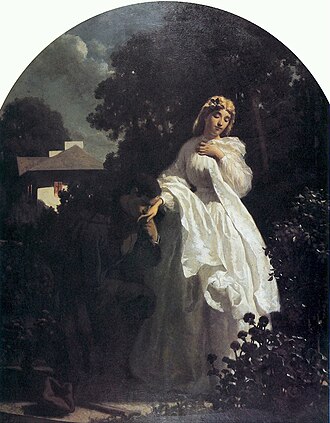
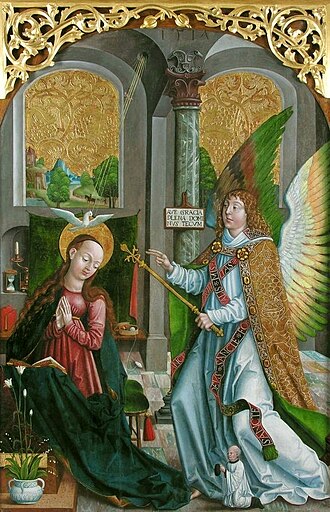
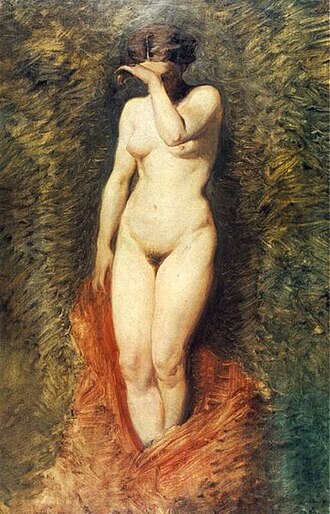
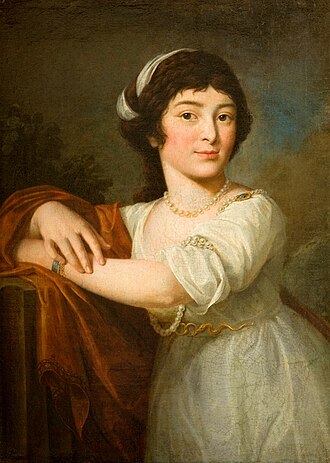
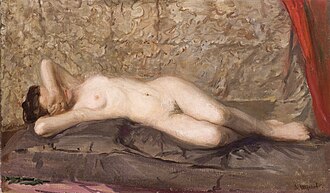
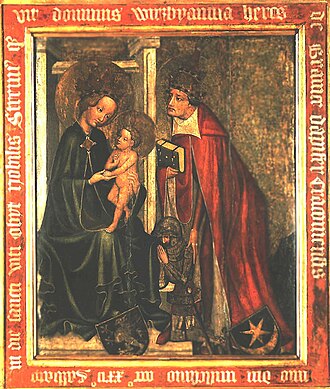
成立于1879年,是波兰国家博物馆的分馆之一。博物馆分为21格部门,收藏有78万件艺术品,涵盖了自考古文物至现代艺术的广泛领域。博物馆特别侧重于收藏波兰绘画作品。
摘自维基百科「克拉科夫国家博物馆」,按 CC BY-SA 4.0 使用,繁体已转简体,去掉了参考文献、外部链接等尾部小节和表格,其余文字未作改动。
中文条目比较短,展开看英文维基百科的条目(英文原文)
The National Museum in Kraków (Polish: Muzeum Narodowe w Krakowie), popularly abbreviated as MNK, is the largest museum in Poland. Established in 1879, the museum consists of 21 departments which are divided by art period: 11 galleries, 2 libraries, and 12 conservation workshops. It holds some 780,000 art objects, from classical archeology to modern art, with special focus on Polish painting. In 2023, the museum was visited by over 1.85 million people, making it the third most-visited art museum in Poland and the 38th most-visited art museum in the world.
Location
The Kraków National Museum was first housed at the upper floor of the Renaissance Sukiennice building located at the Main Square in the Kraków Old Town, now home to one of its most popular divisions in the city. The construction of the museum's contemporary New Main Building located at 3 Maja Street, started in 1934, but was interrupted by World War II. It was fully completed only in 1992, after the collapse of the Eastern Bloc. The collections – consisting of several hundred thousand items in total – are kept in big part in the Main Building where the administrative offices are located, but also in the nine of its divisions around the city.
During World War II the collection was looted by the German occupation forces. After the war the Polish Government retrieved many of the works seized by the Germans. Still more than 1,000 artifacts are missing, including the 16th-century Pieter Bruegel the Elder painting The Fight Between Carnival and Lent (which Polish authorities allege was stolen in 1939 by German invaders, reportedly taken away and sold in Vienna, and currently resides in the Kunsthistorisches Museum there). It was donated to the museum in 1937 by Stanisław Ursyn-Rusiecki.
Collections
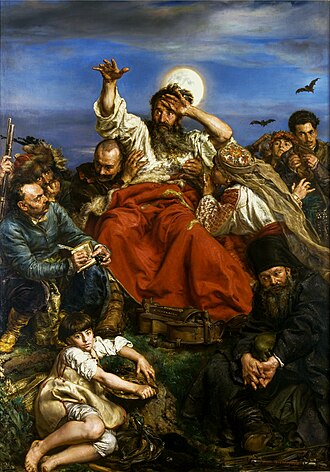
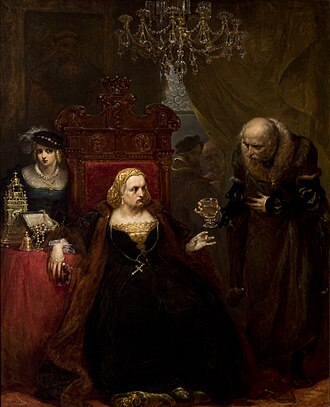
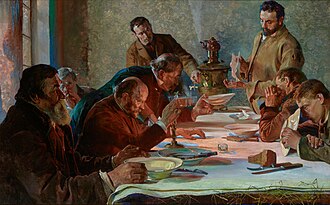
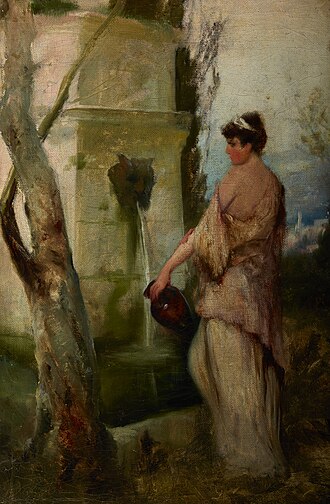
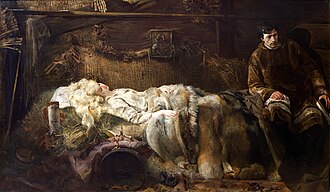
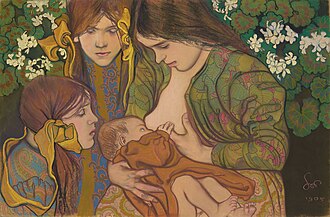
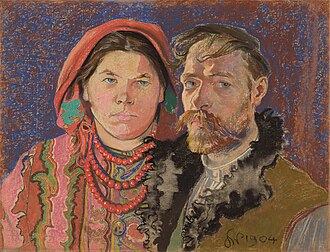
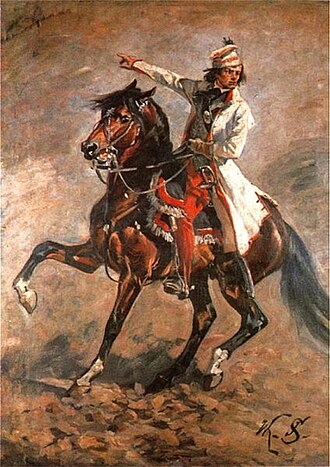
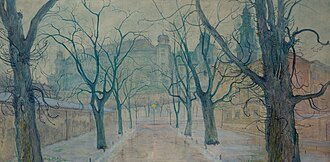
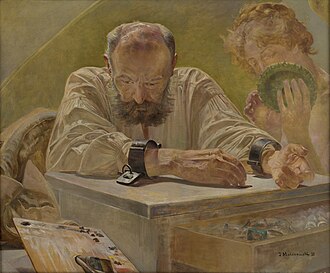
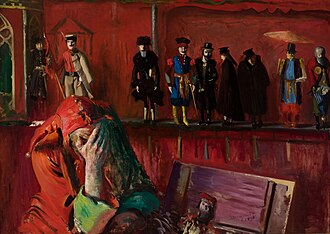
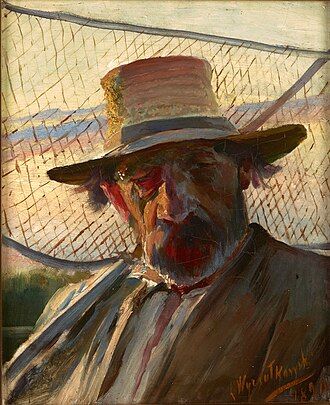
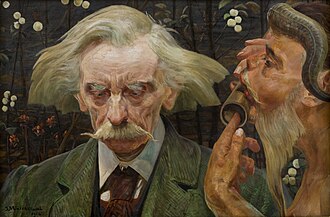
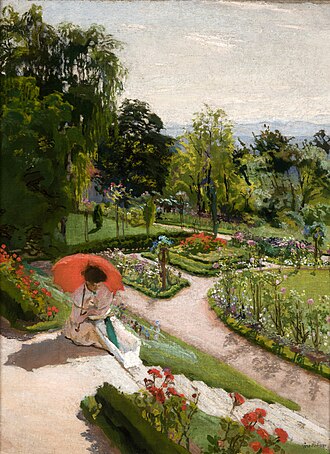
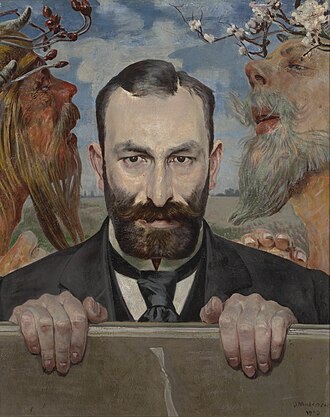
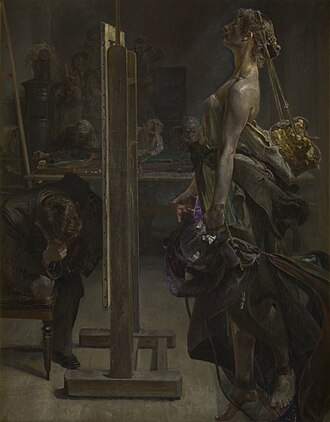
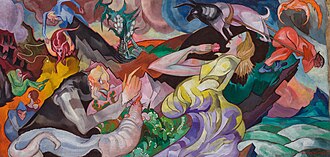
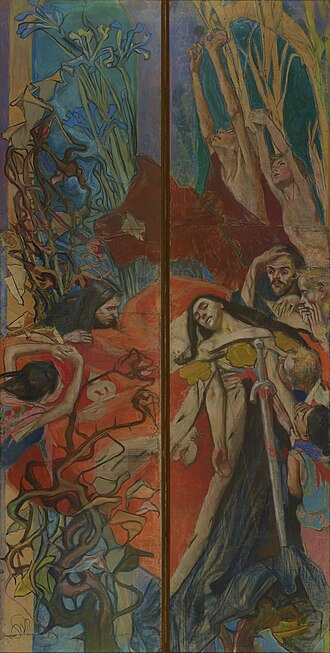
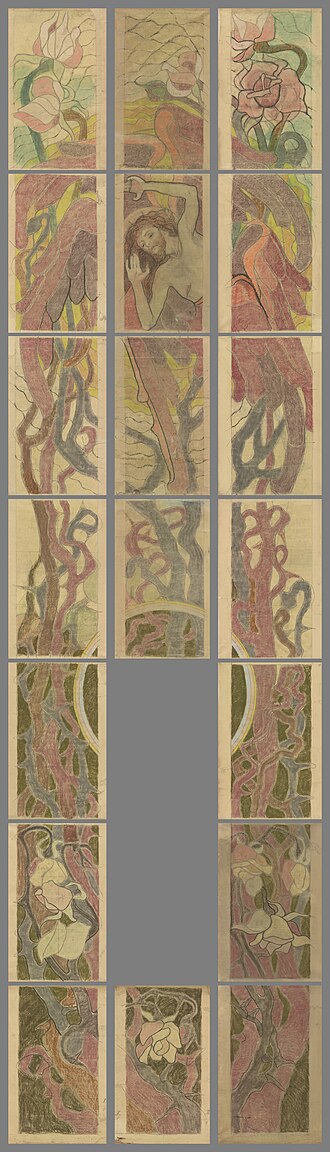
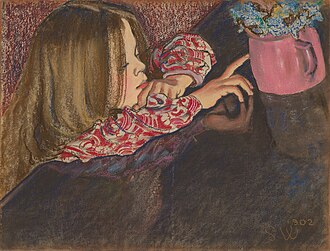
The Main Building features the newly renovated upper Gallery of the Twentieth Century Polish Art, one of the largest galleries of painting and sculpture from the late 19th century on in Poland, with most celebrated artwork by Jacek Malczewski, Leon Wyczółkowski, Włodzimierz Tetmajer; an extensive collection of works by Stanisław Wyspiański; and also, works by artists of the interwar and postwar periods: the Polish cubists, expressionists, colorists, the avant-garde of the 1930s, and representatives of New Directions from the 1960s.
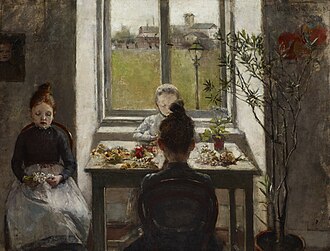
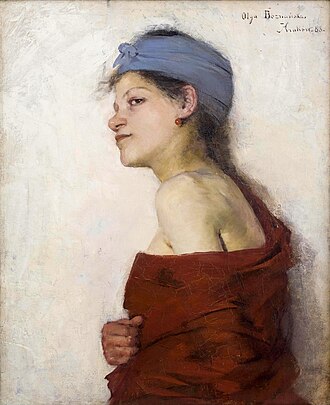
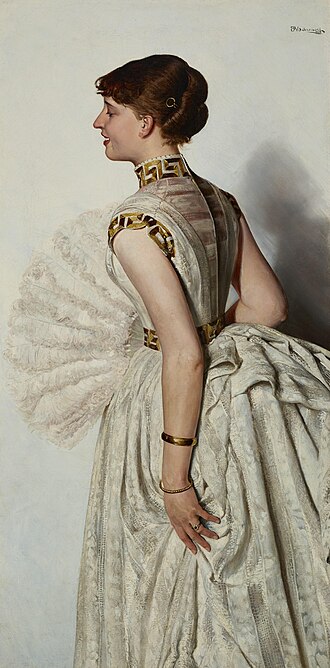
Paintings in the collection include masterpieces of the Young Poland movement (Konrad Krzyżanowski, Olga Boznańska, Józef Pankiewicz, Władysław Ślewiński, Wacław Szymanowski, Ludwik Puget, Jan Stanisławski, Tadeusz Makowski). Polish avant-garde is represented by Zbigniew Pronaszko, Leon Chwistek, Tytus Czyżewski, Stanisław Osostowicz, Eugeniusz Waniek, Jan Cybis, Hanna Rudzka-Cybisowa, Artur Nacht-Samborski, Jan Szancenbach, Józef Czapski, Piotr Potworowski, Wacław Taranczewski, Juliusz Joniak.
The collection of post-war art includes works by Tadeusz Kantor, Jonasz Stern, Maria Jarema, Jerzy Nowosielski, Andrzej Wróblewski, Katarzyna Kobro, Alina Szapocznikow, Maria Pinińska-Bereś, Katarzyna Kozyra. It also holds works by a wide range of influential contemporary Polish artists including Grzegorz Sztwiertnia, Rafał Bujnowski, Wilhelm Sasnal, Jadwiga Sawicka, Leon Tarasewicz, Stanisław Rodziński, Jan Pamuła, and Jan Tarasin.
Militaria
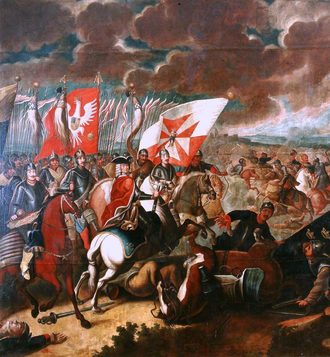
The arsenal building has a vast display of militaria ranging from 12th to 20th century, including Polish armor from 16th and 17th centuries, Polish sabers, firearms, saddles and caparisons, military uniforms from 18th to 20th century, military orders, medals, and distinctions. The museum holdings also include a collection of Western and Eastern European weapons. The militaria are presented at the "Arms and Colours" exhibition.
Decorative arts
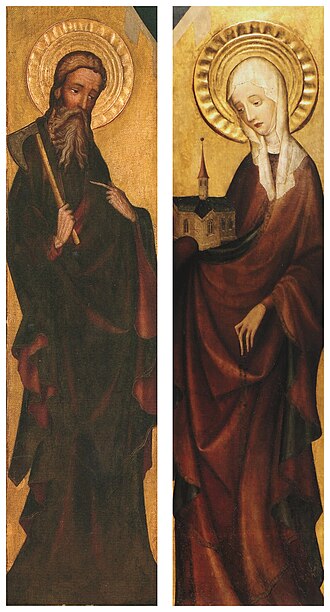
Decorative arts and crafts are exhibited in the Decorative Arts and Crafts Gallery, with gold, silver and precious stone artifacts ranging from twelfth to eighteenth century; copper, pewter and iron objects, such as bowls and wrought iron chests; old furniture, musical instruments, clocks, ceramics and glass, notably stained glass from the churches of Kraków. The museum has one of Poland's largest collections of Polish and Oriental antique rugs and carpets, as well as a collection of sixteenth to twentieth century costumes.
节选,摘自英文维基百科「National Museum in Kraków」,按 CC BY-SA 4.0 使用。
同在克拉科夫的博物馆
波兰的其他博物馆
馆藏画家
馆藏作品(本站收录 142 件)